
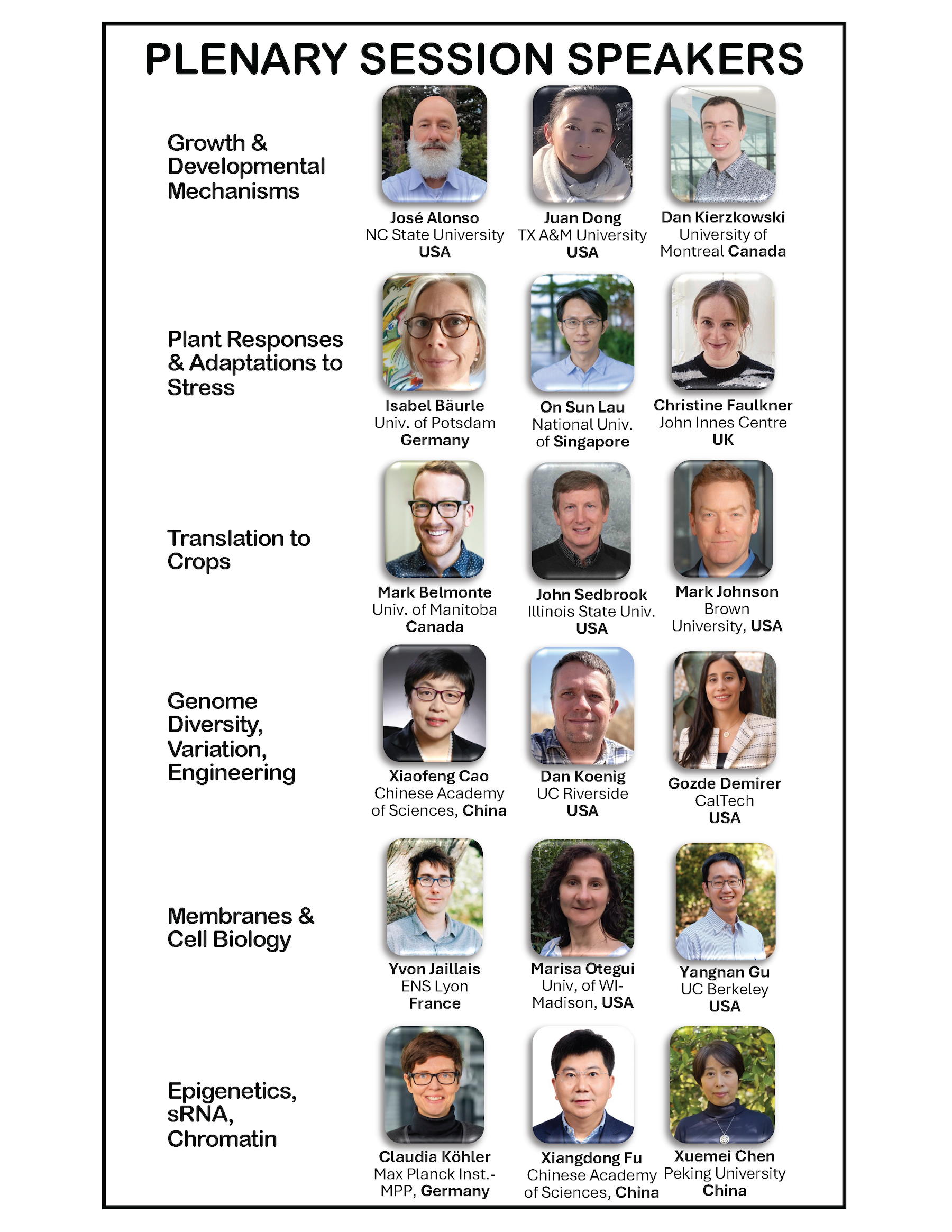
ICAR 2027 will feature ~150-200 speakers:
28 platform speakers: 4 Keynotes, 18 Plenaries, ~5-8 Awardee plenaries
and ~125-180 community session speakers, most from submitted abstracts
KEYNOTE SPEAKERS
Adrienne Roeder
The Roeder group studies cell size and organ size with the objective to identify key cellular players and processes that enable plants to sense its size at a cellular and organ level and determine when to stop growing, and how to modulate growth rate. Their research falls at the intersection of cell biology and developmental biology focusing on two questions: how are variable cell sizes produced during development and how do reproducible organ sizes and shapes emerge from the variable growth of their cells?
Cornell University, USA
Cyril Zipfel
The Zipfel lab are interested in how plants perceive their environment and respond appropriately to coordinate their growth and development in the face of external challenges.
In particular, they are focusing on cell surface-localised immune receptors – pattern recognition receptors – that perceive microbe-derived or endogenous patterns to activate innate immune responses.
University of Zürich, Switzerland & The Sainsbury Lab, UK
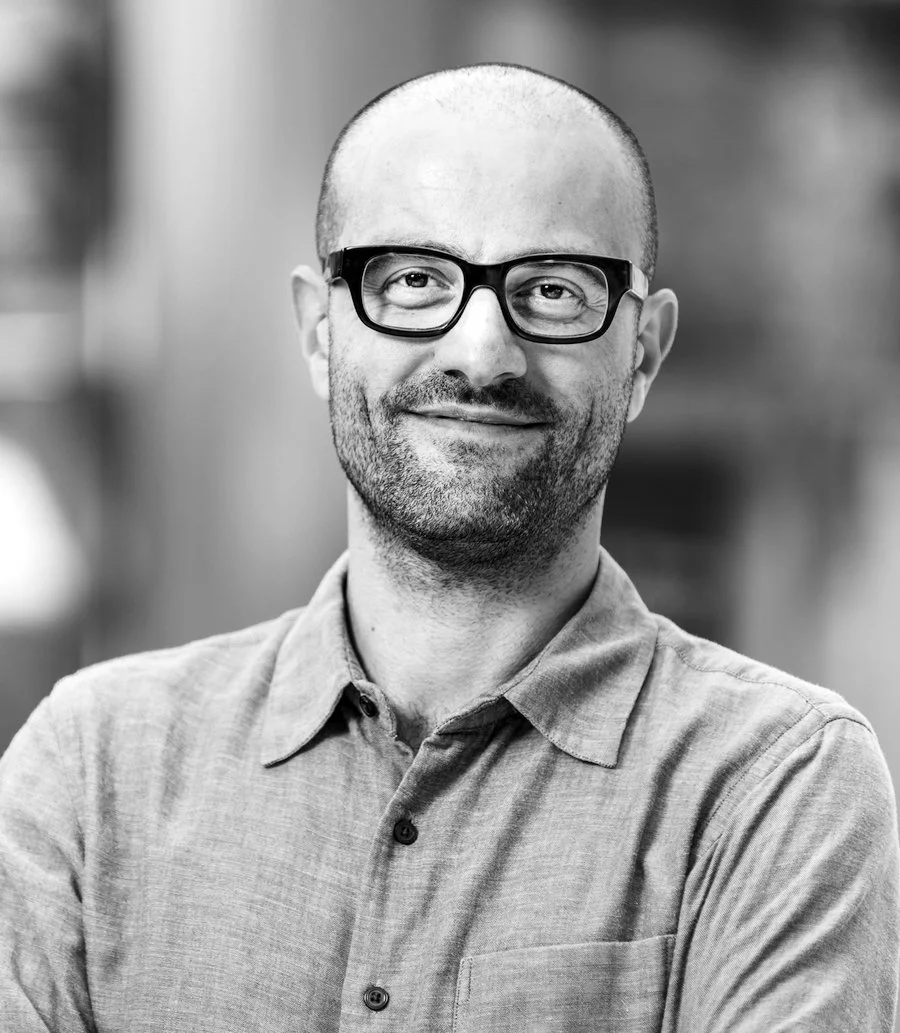
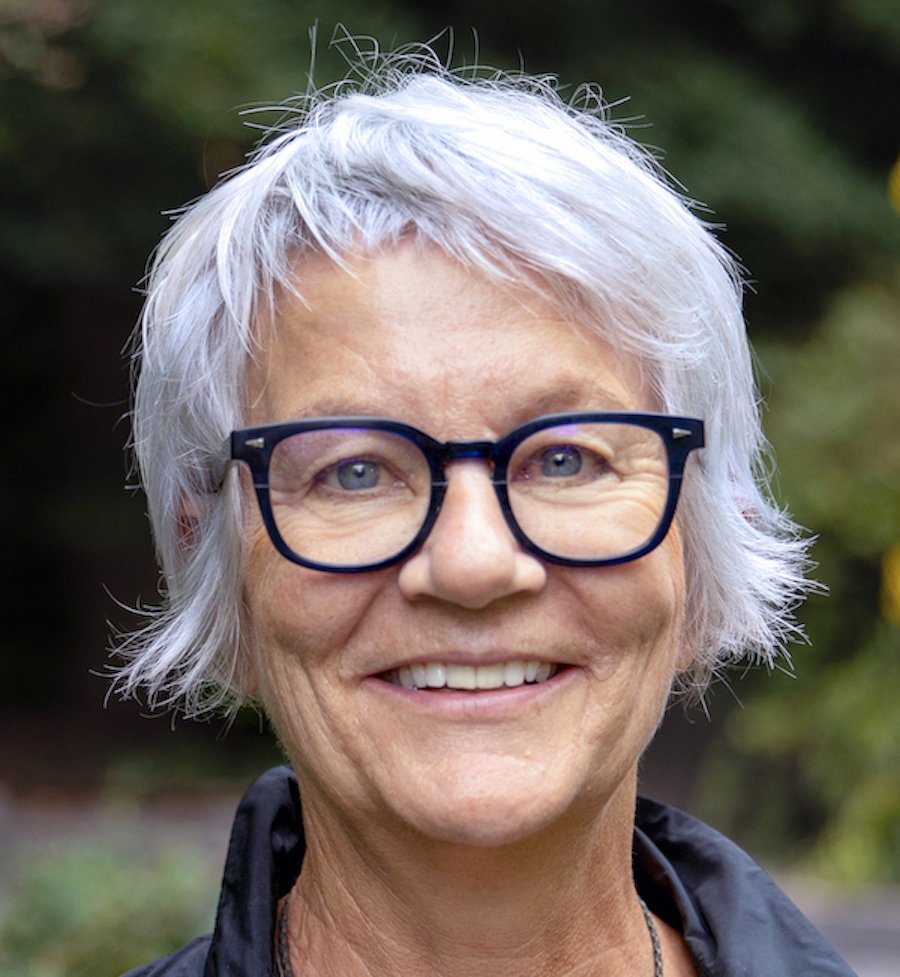
Doris Wagner
University of Pennsylvania, USA
The Wagner group focuses on plant adaptability and the reprogramming of cell identity and function during developmental transitions and in response to environmental inputs. The research uses genetic, epigenomic, computational, molecular, spatial transcriptomics, biochemical and synthetic biology approaches to study plant inflorescence architecture, among other topics.
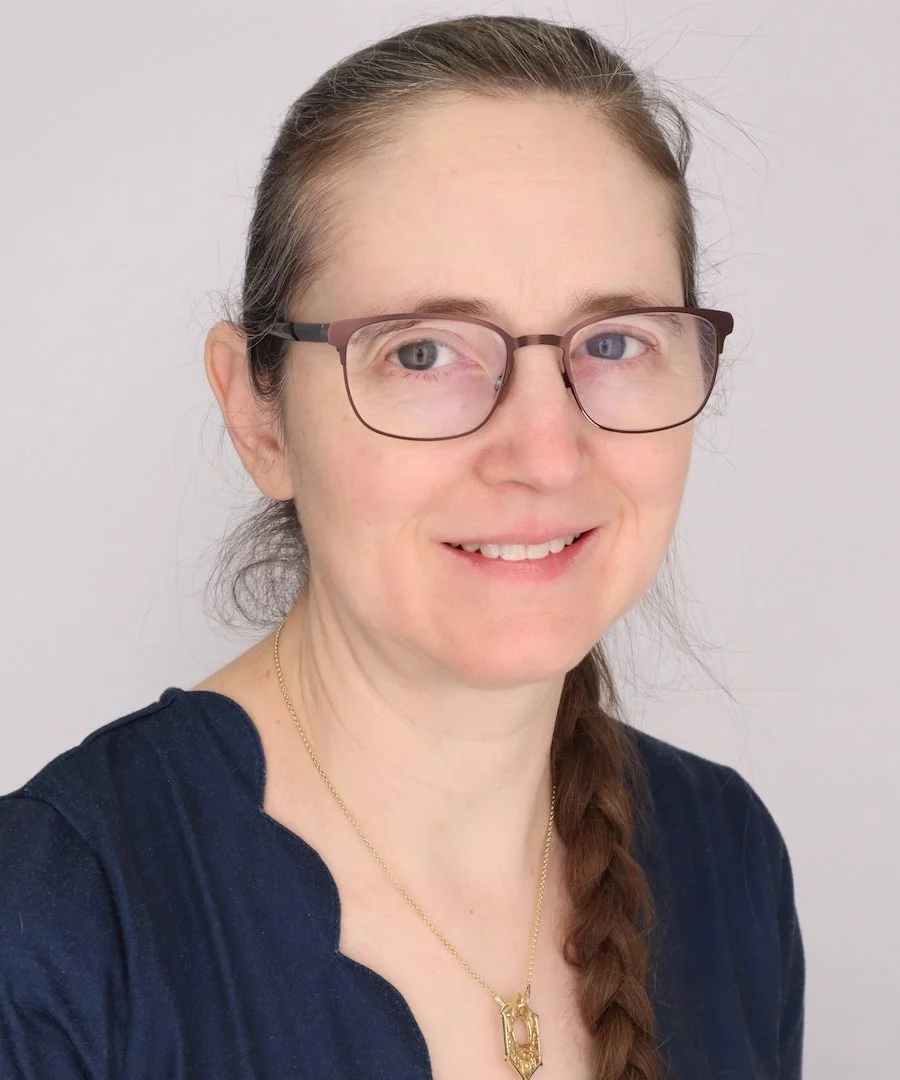

R. Keith Slotkin
The Slotkin group focuses on how plant cells control Transposable Elements (TEs) and how they can be potentially controlled as a tool for genome engineering. One aim is to investigate how to control TE activity in plant cells. They have combined TEs with gene editing tools such as CRISPR-Cas and Cre/Lox to create new tools to manipulate plant genomes.
Donald Danforth Plant Science Center & University of Missouri, USA
Submit Your Topic to Organize a Session!
Deadline: October 31, 2026
The community is invited to submit a session proposal for consideration at ICAR 2027. Our primary goal is to showcase cutting-edge & exciting plant biology research- with a focus on Arabidopsis.
There are ~27 slots available:.
18 community-organized symposia: 75 minute program
9 community-organized workshops: 60 minute program
Proposals will be reviewed & scored by at least 2 members of the ICAR organizing committee (with proposer information removed) then discussed by the committee to balance topics, proposer career stage, geographic distribution, and gender.
We may recommend overlapping proposals to merge into collaborative sessions.
To support trainees we will reserve at least 25% of the slots for student and/or postdoc organizers (assuming we receive a sufficient number of excellent applications)
ICAR 2027 will be hybrid conference meaning that virtual attendees can view live-streamed & recorded sessions.
We will not have speakers that join virtually; all speakers must be on-site.
We will record sessions for later viewing by registered in-person & virtual attendees.
By submitting a session proposal you are agreeing that if your topic is selected, that your session will be accessible by virtual attendees and recorded for on-demand access by registered participants (for ~7 weeks). It will also be important to make this clear to any speakers that you recruit outside of submitted abstracts.